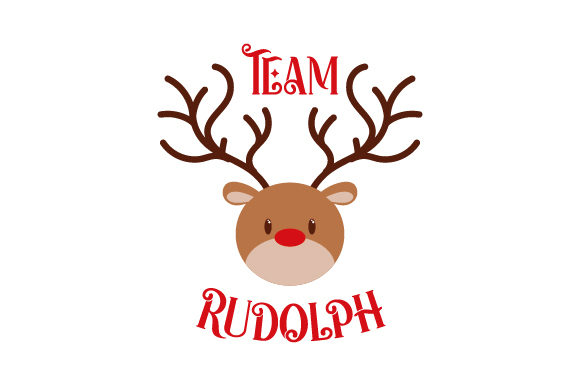
Team Rudolph: A Festive Christmas Asset for Brands
As a brand designer and content marketer, my first interaction with a new graphic design asset is always critical. I need to know immediately if it will elevate a client's visual identity or clutter their feed. Upon reviewing Team Rudolph, the initial impression is one of playful warmth and nostalgic charm. This isn't just a holiday decoration; it is a strategic tool for small business branding looking to humanize their presence during the festive season. The mood it creates is inviting and approachable, perfectly suited for lifestyle content, handmade product promotions, and community-focused event marketing. It avoids the sterile feel of generic stock photography, offering instead a curated creative design that feels authentic and hand-crafted.
Strategic Application in Real Marketing Campaigns
To understand the true value of Team Rudolph, imagine a scenario where a boutique coffee roaster is launching a limited-edition Christmas blend. They need a cohesive look across packaging, social media, and email newsletters. This is where the asset shines. In brand identity projects, consistency is king. Team Rudolph provides a visual anchor that can be repeated across various touchpoints without losing its impact. For logo design accents or product label embellishments, the illustration adds a layer of personality that standard typography cannot achieve alone.
When applied to social media graphics, such as Instagram posts or Pinterest pins, the asset helps break up text-heavy layouts. It acts as a visual breath, guiding the eye through the visual hierarchy. For Facebook ads and digital ads, using a character-based illustration like this can significantly improve click-through rates by creating an emotional hook before the user even reads the copy. It transforms a standard promotional banner into a piece of storytelling. Furthermore, for editorial design in blog headers or newsletter banners, it sets a thematic tone that prepares the reader for seasonal content, enhancing the overall user experience on the website.
Elevating Audience Trust and Engagement
The ultimate goal of any marketing visuals is to build audience trust. Consumers are increasingly savvy; they can spot lazy design from a mile away. Team Rudolph supports professional branding by offering a polished, high-quality aesthetic that suggests the business cares about details. When a brand uses cohesive, well-designed assets, it signals reliability. This leads to stronger recognition and a more memorable campaign. The emotional connection fostered by friendly, festive imagery can turn a casual browser into a loyal customer, especially when the design aligns with the brand's voice.
This asset is particularly effective for content marketing strategies that rely on shareability. A well-placed illustration in a Canva template or a printable design like a holiday gift tag encourages users to share the content, extending the brand's reach organically. Whether used in packaging design as a sticker seal or in merchandise like tote bags and mugs, the versatility of the illustration ensures it works hard for the brand across multiple channels.
Ideal Use Cases for Maximum Impact
Knowing where to deploy Team Rudolph is just as important as knowing how to use it. It works best as a hero graphic in campaign headers where it can command attention without competition. It is excellent for product launch visuals where the focus is on excitement and novelty. As a decorative element in branded templates, it adds flair to otherwise static layouts. It also serves beautifully as a packaging accent, turning a simple box into a giftable experience. For promotional banners and content bundles, it provides a unifying theme that ties disparate elements together into a cohesive design bundle.
Limitations and Strategic Caution
However, no design asset is a one-size-fits-all solution. There are scenarios where Team Rudolph should be used carefully. In formal corporate branding or highly regulated industries, the playful nature of the illustration might undermine the seriousness of the message. It is also less effective in dense information layouts where every pixel counts for data presentation. On small mobile graphics, intricate details might get lost, so simplification or scaling is necessary. Designers must avoid placing it on low-contrast backgrounds where it fails to pop, and it should not be used in overly minimal brands where it could clash with a stark, ultra-modern aesthetic. In text-heavy ads, ensure the illustration does not compete with the main call to action.
Practical Notes for the Professional Designer
Before integrating Team Rudolph into a client project, there are several technical and aesthetic checks to perform. First, test it with the brand color palette. While festive reds and greens are obvious choices, see how it looks in monochrome or brand-specific hues to ensure versatility. Check black and white usage to guarantee it holds up in grayscale printing or faxed documents. Always place it inside real campaign mockups rather than viewing it in isolation; context changes perception.
It is crucial to preview it on mobile screens, as this is where most audiences will encounter the design. Test readability in small sizes to ensure lines don't blur together. Compare it against competitor visuals to ensure your client stands out rather than blends in. Pay close attention to typography pairings; Team Rudolph pairs exceptionally well with serif fonts for a classic holiday feel, sans serif fonts for a modern twist, or handwritten fonts for a personal touch. Avoid clashing display font styles that might fight for attention.
Finally, review spacing and balance within the composition. Ensure there is enough breathing room around the illustration to let it shine. Most importantly, confirm commercial licensing before using it in paid campaigns, client work, or business branding. Understanding the rights associated with the SVG design, PNG design, or clipart files is essential to avoid legal pitfalls. Whether you are an online coach, a digital seller, or a creative entrepreneur, treating this digital product with professional rigor ensures it becomes a cornerstone of your modern design strategy.
In conclusion, Team Rudolph is more than just a seasonal illustration; it is a versatile component for building a robust brand identity. When used with intention and strategic foresight, it enhances web design, enriches editorial design, and brings a touch of magic to commercial design projects. By focusing on practical application and audience perception, marketers can leverage this asset to create campaigns that are not only visually stunning but also deeply effective in driving engagement and sales.