Christmassy Watercolor Polar Bear: A Designer's Review
When I first pulled up the Christmassy Watercolor Polar Bear on my screen, I wasn't just looking for a cute holiday motif; I was evaluating a potential asset for my upcoming winter collection. As someone who spends hours digitizing and stitching, I know that a pretty preview image doesn't always translate to a clean finished product. This design caught my eye immediately because of its soft, artistic approach, which stands in stark contrast to the blocky, overly dense files we often see in the Christmas category. The mood it creates is gentle and nostalgic, perfect for customers seeking something less commercial and more handmade.
First Impressions and Visual Personality
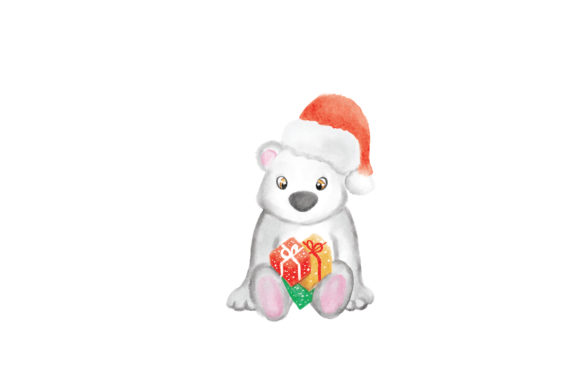
The layout of this machine embroidery design feels organic. Unlike traditional vector-based graphics that rely on hard lines, this piece mimics the bleed and flow of watercolor paint. For an embroiderer, this presents both a challenge and an opportunity. The visual personality is undeniably sweet, featuring a polar bear that looks like it was painted with soft brushes rather than drawn with a ruler. This makes it an ideal candidate for holiday embroidery projects that aim for a boutique aesthetic rather than a mass-produced look.
In terms of detail level, the design strikes a balance. It has enough definition to be recognizable as a polar bear but avoids the microscopic details that often cause thread breaks or bird nests. The shape is rounded and friendly, which suggests it will sit well on curved surfaces, though I would still proceed with caution depending on the fabric choice. If you are an Etsy seller or a small shop owner, this kind of visual appeal can significantly boost your brand consistency, signaling to buyers that your items are thoughtful and high-quality.
Real-World Application: The Holiday Tote Scenario
To truly test the viability of the Christmassy Watercolor Polar Bear, I imagined a specific real-life scenario: creating a limited run of custom canvas tote bags for a local boutique's holiday gift guide. Canvas is a sturdy medium, but it has a distinct weave that can interfere with fine details. My goal was to determine if this design could serve as a premium tote bag design that justifies a higher price point.
Upon mentally mapping out the stitch types, I noticed the design likely utilizes a mix of fill stitch for the body of the bear to create that watercolor gradient effect, potentially supported by satin stitch outlines to define the features. On a natural cotton canvas, the interplay between the thread sheen and the matte fabric would create a beautiful texture. However, for a small shop product like this, clarity is key. If the color transitions are too subtle, they might get lost in the fabric grain. I would recommend using high-quality rayon or polyester threads with a slight luster to ensure the "watercolor" effect pops against the neutral background.
This design also shines as a sweatshirt embroidery option. Imagine a heather grey fleece hoodie with this bear centered on the chest. The softness of the design complements the cozy nature of the garment. It moves away from the loud, neon-bright holiday themes and offers something wearable year-round, extending the life of the custom apparel beyond December 25th. For a craft business, offering items with this kind of versatility is crucial for inventory management.
Navigating Fabric Challenges and Stitch Density
While the Christmassy Watercolor Polar Bear is visually stunning, practical application requires a critical eye toward stitch density. Watercolor effects in embroidery often rely on varying densities to simulate transparency. If the digitizer has made the fill too dense, the result on lightweight fabrics could be stiff and puckered. Conversely, if it is too open, the backing or stabilizer might show through, ruining the illusion.
I would advise extreme care when placing this design on stretchy fabrics like jersey knits for baby embroidery projects. Babies need softness, and a heavy fill stitch can make a onesie uncomfortable. In this case, testing on scrap fabric is non-negotiable. You must check how the design behaves after washing, as shrinkage can distort the delicate shapes of the bear. Similarly, on dark fabrics, the light colors inherent in a polar bear design might require an underlay or even a white base layer to prevent the dark fabric from muting the colors. Always compare light and dark fabric backgrounds before committing to a production run.
Curved surfaces, such as caps, present another hurdle. While the round shape of the bear helps, the detailed corners of the watercolor splashes might not stitch cleanly on the structured front panel of a hat. If you are making an embroidered patch instead, this design is excellent, as the stable backing of a patch eliminates many of the fabric-related risks.
Enhancing Value and Customer Trust
Ultimately, the choice of a digital embroidery file impacts your bottom line. The Christmassy Watercolor Polar Bear has the potential to elevate the perceived value of your handmade product. Customers are increasingly savvy; they can tell the difference between a generic clip-art conversion and a design with artistic intent. Using a design with this level of character builds customer trust and encourages repeat business.
For those creating printable mockups for online listings, this design photographs beautifully. The soft edges and implied texture translate well into digital marketing assets, helping your design assets stand out in a crowded marketplace. Whether you are selling the physical finished product or the file itself, the professionalism of the artwork reflects directly on your brand.
Essential Designer Notes for Success
Before you hoop up, keep these practical steps in mind to ensure the best results with the Christmassy Watercolor Polar Bear:
- Test First: Always stitch a sample on the exact fabric you plan to use for the final item. Check for puckering and registration issues.
- Check Contrast: Review the thread colors in person. Screen colors can be misleading, especially with subtle watercolor gradients.
- Stabilizer Selection: Match your stabilizer to the fabric weight. Heavier fills may require a cut-away stabilizer for durability, while lighter applications might work with tear-away.
- Hoop Size Verification: Confirm the required hoop size fits your machine and your intended placement area, especially for smaller items like pockets or cuffs.
- Licensing Clarity: Since this is a commercial context, verify the license terms. Ensure you are allowed to sell finished items or if there are restrictions on the number of units for commercial embroidery.
- Mockup Testing: Create black and white mockups to ensure the design holds its form without relying solely on color differentiation.
In conclusion, the Christmassy Watercolor Polar Bear is a strong contender for any designer's library this season. It offers a fresh take on a classic theme, provided you respect the technical requirements of the stitch work. By approaching it with a planner's mindset and a tester's rigor, you can turn this embroidery project into a standout piece for your portfolio or store.