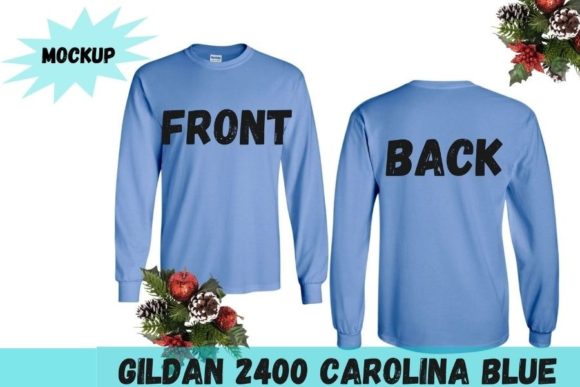
Carolina Blue Front and Back Gildan 2400 Review
As a designer who spends more time staring at stitch simulations than most people care to admit, I approach every new machine embroidery design with a mix of excitement and skepticism. We have all been there: you buy a beautiful digital embroidery file, load it onto your machine, and halfway through the run, you realize the stitch density is going to pucker your fabric or the tiny details are going to turn into a thread nest. That is why I took a close look at the Carolina Blue Front and Back Gildan 2400 before committing it to a client project. This isn't just about whether the colors pop; it is about whether this asset holds up under the needle when you are trying to build a reputation for quality.
First Impressions and Visual Personality
When I first pulled up the preview for Carolina Blue Front and Back Gildan 2400, the immediate takeaway was its versatility within the T-Shirt Designs category. There is a specific mood here that balances collegiate spirit with a softer, boutique aesthetic. The "Carolina Blue" palette suggests a connection to tradition, yet the layout feels modern enough for everyday wear. For those of us creating handmade products, the visual personality of a design dictates where it belongs. This one screams custom apparel for alumni gatherings, but with the right fabric choice, it transitions beautifully into casual weekend wear.
The composition of the front and back elements suggests a coordinated look, which is increasingly popular in streetwear and high-end custom apparel. However, as an experienced reviewer, I look past the pretty colors to the structural integrity of the digitizing. Does the flow of the satin stitch columns follow the natural grain of the thread? Are the fill stitch areas programmed to minimize jumps? These are the silent factors that determine if your finished product looks like it came from a factory or a skilled artisan's studio.
Real-World Application: The Boutique Sweatshirt Scenario
To truly test the viability of Carolina Blue Front and Back Gildan 2400, I imagined a real-life scenario that many Etsy sellers and craft business owners face daily. Picture a small shop owner preparing a limited run of oversized crewneck sweatshirts for a fall collection. The goal is to create a personalized gift option that feels premium. In this context, the design needs to sit comfortably on a heavier fabric without causing excessive stiffness.
If I were stitching this onto a cotton-blend fleece, the front element of the design would serve as the focal point, while the back graphic adds that trendy, oversized vibe. The key here is managing the thread colors against the garment. Carolina Blue can sometimes vanish against certain grey heathers or appear too vibrant against stark white. A smart move for any small shop product launch is to run a test on scrap fabric that matches your final inventory. This allows you to check if the contrast is sufficient and if the stabilizer you chose is doing its job to prevent the design from sinking into the nap of the fleece.
For an embroidery project of this scale, the perceived value is everything. Customers paying a premium for handmade items expect crisp edges and no pull-outs. If Carolina Blue Front and Back Gildan 2400 maintains its shape after the hoop is removed, it instantly elevates the brand consistency of the seller. It becomes more than just a shirt; it becomes a piece of wearable art that encourages buyer engagement and repeat orders.
Navigating Technical Challenges and Fabric Choices
While the aesthetic appeal is strong, we must discuss where caution is required. Not every surface is ready for this level of detail. If you are planning to use this design on textured fabrics like waffle knits or heavy towels, be wary. The running stitch outlines might get lost in the texture, reducing the clarity of the design. Similarly, stretchy fabrics require a robust stabilization strategy. Without a proper cut-away stabilizer, the tension from the front and back elements could distort the garment over time, leading to a warped look that damages your professional reputation.
Another critical consideration is the hoop size. Since this is a front-and-back concept, you are likely looking at two separate hooping sessions or a large format machine setup. Ensure your machine's maximum hoop size can accommodate the largest dimension of the design without needing to split elements awkwardly. Splitting a design mid-element can ruin the visual flow and leave unsightly tie-offs visible on the inside of the garment.
Dark fabrics present another hurdle. The specific shade of Carolina Blue might need an underlay adjustment or a slight color shift to ensure it doesn't look muddy against black or navy backgrounds. I always recommend testing the design in a black-and-white mockup first. This strips away the distraction of color and lets you see if the light and dark values provide enough separation for the design to be legible from a distance.
Maximizing Value for Commercial Use
For commercial embroidery professionals and digital product sellers, the longevity of a design asset is crucial. Carolina Blue Front and Back Gildan 2400 has the potential to be a workhorse in your library if managed correctly. It fits seamlessly into niches like baby embroidery for nursery decor, holiday embroidery for family matching sets, or even embroidered patch creation if digitized for that specific purpose.
However, before listing this as part of a printable mockup pack or selling the stitched items, you must verify the licensing terms. Just because a design looks great doesn't mean it is cleared for unlimited commercial resale. Always confirm whether you are buying the right to sell the physical finished product or if you can also sell the embroidery file itself. Misunderstanding these terms can lead to serious issues for an Etsy seller or boutique owner.
Practical Notes for the Serious Stitcher
To ensure the best results with Carolina Blue Front and Back Gildan 2400, keep these practical steps in mind:
- Test First: Always stitch a sample on scrap fabric identical to your final material to check for puckering.
- Check Density: Inspect the stitch density in the fill areas; if it looks too solid, consider editing the file to reduce thread buildup.
- Stabilizer Matters: Match your stabilizer to the fabric weight; stretchy fabrics usually demand a cut-away, while stable wovens might handle tear-away.
- Thread Contrast: Verify that your chosen thread brands match the intended Carolina Blue hue, as dye lots vary significantly between manufacturers.
- Detail Inspection: Zoom in on small corners and lettering to ensure they are not too tight for your needle size.
- Licensing: Double-check the license agreement regarding commercial use before selling items made with this design.
In the world of apparel decorators and creative entrepreneurs, the difference between a good product and a great one often lies in the preparation. Carolina Blue Front and Back Gildan 2400 offers a solid foundation for creating memorable T-Shirt Designs and other textile goods. By respecting the technical limitations and understanding the visual strengths of the design, you can produce work that not only looks professional but also stands the test of time and washing. Whether you are making a single personalized gift or rolling out a full collection for your craft business, this design rewards those who pay attention to the details.